A little extra income. A little creative freedom. A business of my own.
In 2001, while working in the prepress department of a book publisher, I started a freelance graphic design and web development business. My motivation was straightforward: I wanted to earn extra income, but I also wanted a creative outlet.

Prepress is technical, precise, and necessary work. But it rarely offers the opportunity to create something from scratch. Freelancing gave me that opportunity
I could work directly with clients, take on a variety of creative projects and build something of my own. What began as a side hustle grew into a registered business serving clients around the world. I ran it alongside my full-time career for more than two decades, closing it to new commercial work in late 2024.
The business was small but profitable every year it operated. I set out to earn extra income and do more creative work. I ended up building a business that lasted nearly a quarter century.
Not a bad return on an idea.
All the world’s a client
The business covered a broad range of graphic design and web development work. Rather than concentrating on a single industry or type of project, I worked with clients who needed different things, from visual communication to websites built around their particular requirements.
I also offered web hosting through a third-party reseller arrangement. For clients who needed hosting, it was a natural extension of the services I already provided. One relationship could cover more than the initial project, and clients had one less thing to figure out on their own.
Some engagements were one-off projects. Others became long-term relationships, with a few lasting more than a decade.
That variety kept the work interesting. It also required me to listen, ask the right questions and understand what each client was trying to accomplish. The job wasn’t simply to make something look good or build something that worked. It was to deliver something that met a real need.
Different clients. Different problems. Different solutions. All a part of the appeal to me.





One-man band. Full orchestra.
There was no sales department, no account manager and certainly no finance team waiting down the hall. Just me. And it worked well that way.
I found the clients, marketed my services, discussed project requirements, prepared proposals, managed each project, produced the work and looked after customer service. I handled the administration and finances, ran the registered business and took care of its tax obligations. Soup to nuts.
I also had a full-time career and a young family. So the freelance business had to not only fit around the daily schedule but they all had to coexist in harmony. No matter how busy I was freelancing, family came first, career second, then a very close third for freelancing. I made a conscious decion to never take on anything to urgent, complex or too many projects at once.
It meant switching hats from designer to salesperson, to developer to project manager and client service to bookkeeper. Which taught me a lot about time management. And hats.
That experience taught me something important about small business: the work people see is only a fraction of the work being done. Every deliverable sits on top of a collection of decisions, responsibilities and tasks that someone has to manage.
When you’re the owner, that someone is you.
The long and winding road
Some clients came and went with a single project. Others stayed for years, returning as their businesses evolved and new needs emerged.
Those relationships mattered. A business cannot survive on good intentions alone, and repeat business doesn’t happen simply because someone once liked a website or a design. It depends on trust, communication, reliability and delivering what you promised.
I was responsible for the entire relationship, from the first conversation to the finished work and, when required, the ongoing support afterward.
That meant understanding the person behind the project, not just the project itself. It meant being available, answering questions and helping clients work through problems.
Over time, those relationships became one of the most valuable parts of the business. Some clients trusted me with their work for more than ten years. That kind of continuity is earned one project at a time.
Don’t stop believing
As my full-time career progressed, the demands on my time increased. I moved companies and roles from prepress into catalogue production and graphic design, then into senior graphic design and art direction, eventually becoming Director, Sales and Creative in late 2018.
By around 2015, I had begun to change the role of the freelance business. Instead of actively pursuing growth, I focused on maintaining established client relationships and only taking on work that made sense alongside my full-time responsibilities.
It wasn’t my business struggling. It was me recognizing that my time is a finite resource, even when my ambition isn’t.
I continued serving established clients for years. In 2024, I completely closed the business to all commercial work, bringing an end to a venture that had remained profitable throughout its life.
But closing the business didn’t mean putting my skills away.
The work doesn’t always stop
Two long-term pro bono relationships continue, both of which began through friends involved with the respective charities.
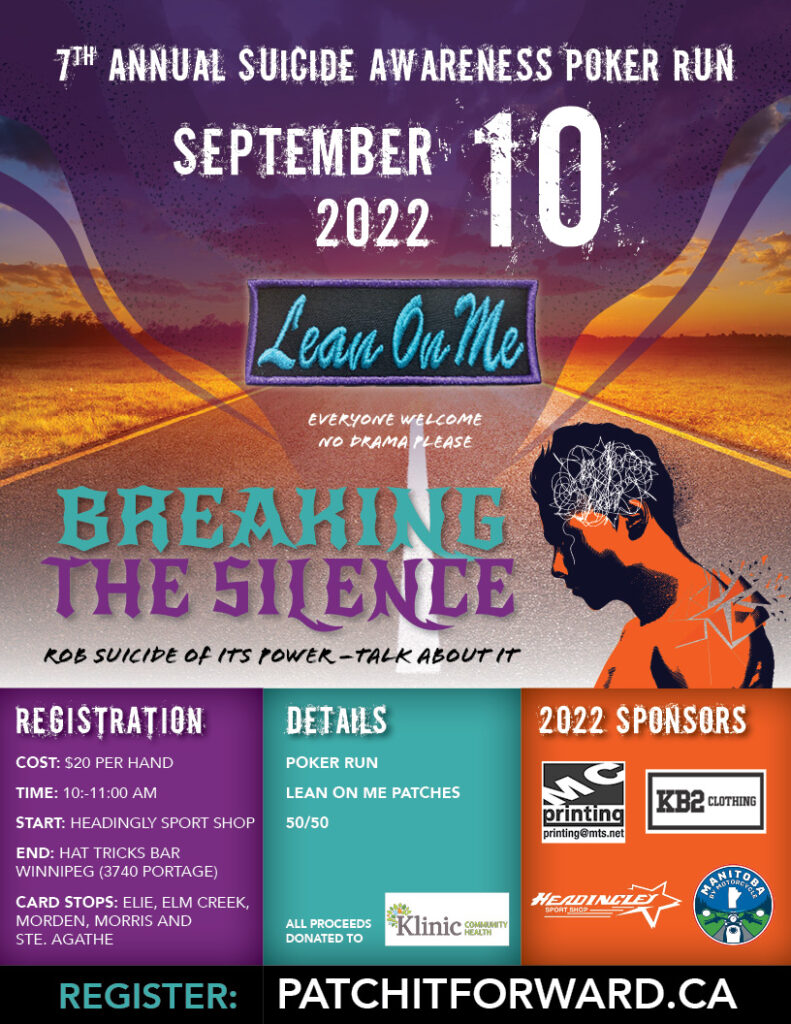
For one organization, I’ve spent nine years supporting its annual charity event. That includes web hosting, website design and graphic design for the event itself. It’s an ongoing commitment that brings several of my skills together in support of a cause worth backing.
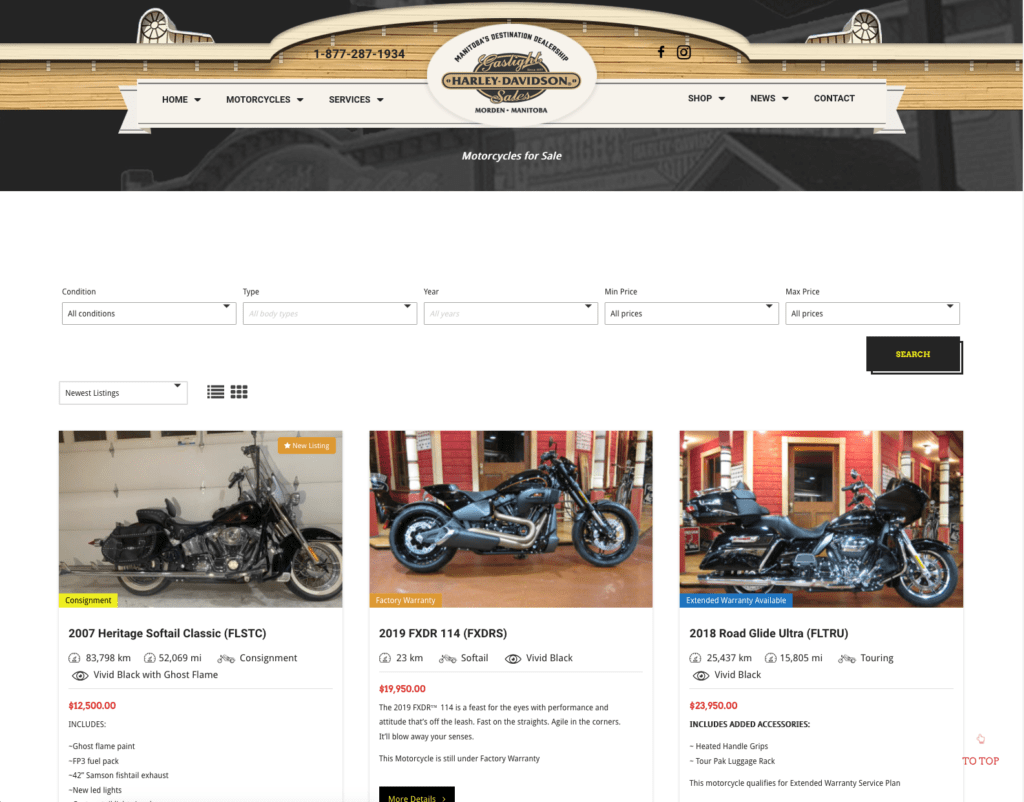
The other relationship began a few years ago, when the charity’s website was hacked. I was able to restore the site, secure it and then took responsibility for maintaining it. I continue to maintain and update the website on the organization’s own server, typically making updates every few months.
These aren’t commercial client relationships. They’re ways of contributing skills I’ve spent decades developing to organizations doing work in their communities.
The business may be closed to new commercial work, but the ability to help hasn’t expired.
The business behind the work
Running the business gave me firsthand experience with the full commercial cycle: finding opportunities, winning work, managing expectations, delivering projects, maintaining relationships and keeping the finances in order.
It taught me to look beyond the immediate assignment and consider the broader context. What does the client actually need? What will it take to deliver it properly? How do the time, costs and expectations fit together? What happens after the project is finished?
Those questions extend well beyond design and development. They are questions about how businesses operate, how people work together and how good ideas become useful results.
I carried that perspective into my other ventures and my full-time career. The industries and responsibilities changed, but the underlying principle remained the same: understanding the whole picture matters.
I started freelancing because I wanted extra income and a creative outlet. I kept going because the work, the clients and the independence made it worthwhile.
More than two decades later, I had built what I set out to build: a business of my own, run on my own terms, that supported itself year after year. Chjalk it up as a win.